


You know the story. A team’s top performer: dependable, skilled, always delivering suddenly sends a polite resignation email. Everyone’s shocked. The manager scrambles. HR starts the exit process. But no one asks the deeper question: what really made them leave?
It’s Rarely About Money
Compensation matters, but it’s rarely the whole story. Most people don’t wake up one day and decide to quit. It happens slowly, in small emotional withdrawals over time. When employees feel unseen, unsupported, or unhealthy, disengagement begins long before their notice period.
The Hidden Health Cost of Workplace Pressure
The early signs are physical. Headaches. Sleepless nights. Anxiety before Monday. Constant fatigue that no coffee can fix. At Medbury, we often detect these patterns during workplace screenings or consultations — employees showing early signs of burnout, hypertension, or stress-related illness.
What’s striking? Many of them don’t even realize their “job” is the trigger.
Stress activates the body’s fight-or-flight system, releasing cortisol and adrenaline. Over time, that constant state of tension leads to elevated blood pressure, hormonal imbalance, and weakened immunity. And when employees feel there’s no safe space to slow down or speak up, they check out, first mentally, then physically.
The Conversation That Could Have Changed Everything
In many cases, a single honest check-in could have made all the difference. A manager asking, “How are you coping?” A HR partner offering a health check or wellness break. A company reminding employees that rest isn’t laziness, it’s maintenance.
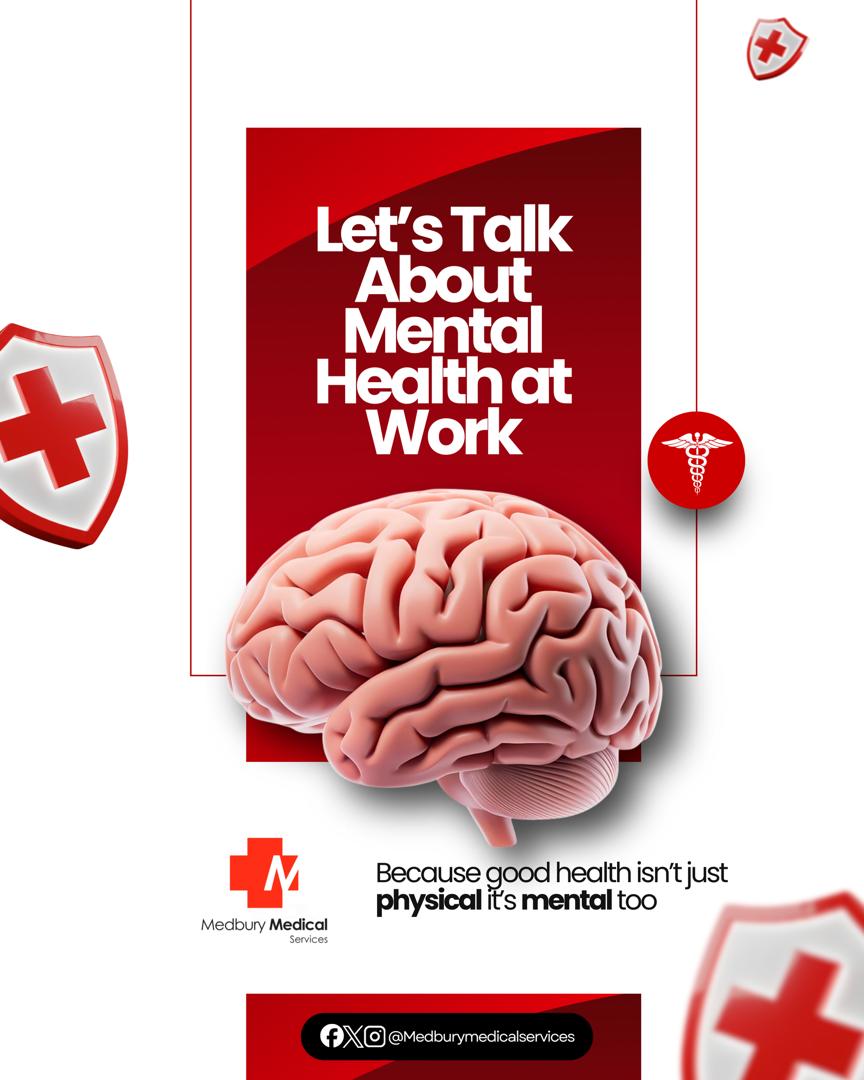
Healthy conversations save great talent. And that’s where occupational health comes in, not just to respond to illness, but to prevent the burnout that makes people walk away.
What Great Companies Do Differently
The best organizations don’t just treat health as a policy; they make it part of performance. They:
● Integrate routine health screenings into their culture.
● Encourage rest, movement, and mental breaks during work hours.
● Train leaders to recognize early signs of fatigue or disengagement.
● Build environments where employees feel safe to speak about stress without fear.
Because when people feel cared for, they don’t just stay, they thrive.
The Bottom Line
Employee health isn’t a “nice-to-have.” It’s the foundation of productivity, retention, and long-term success. When people feel well, they work well. When they work well, the company grows.
It’s a simple equation, but one most organizations overlook, until their best people leave.
Ready to Change That Story?
Medbury Medicals helps organizations build healthier, more resilient teams through preventive health programs, wellness initiatives, and occupational health assessments.


No Comments